
iPhone 18 Pro can verify that a photo came from a camera. How Apple Reference Image works
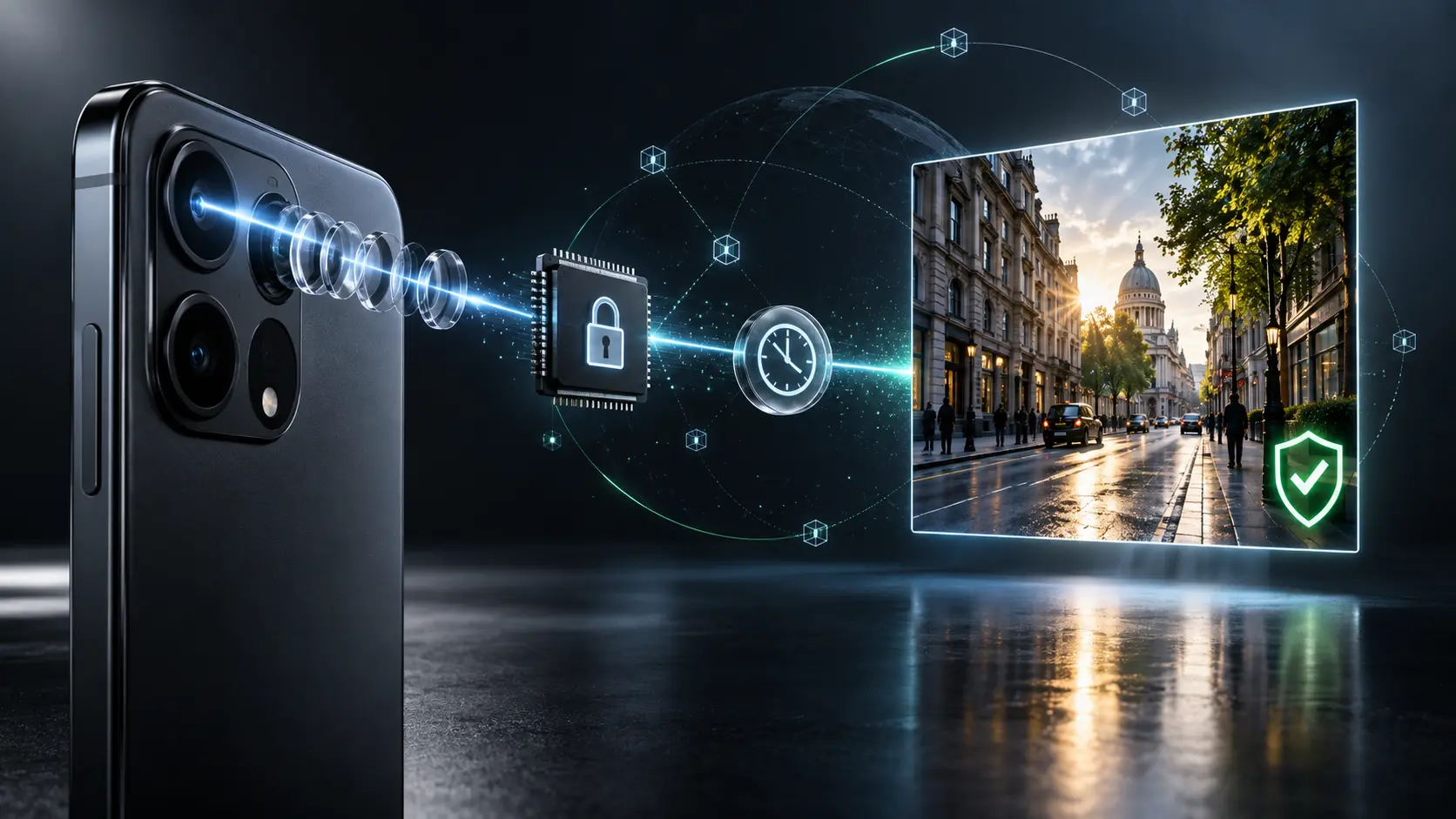
Apple Reference Image can verify that an image was built from data captured by a real iPhone camera sensor and place the capture within a secured time range. Protection starts in the sensor, rather than with a label added to an already finished file.
The opt-in feature debuts on the main camera of iPhone 18 Pro and 18 Pro Max. It is meant for situations in which provenance matters: reporting, insurance documentation, disputes or evidence from an event.
This does not make the iPhone a universal lie detector. Reference Image verifies how a particular file was captured and processed; it cannot decide whether the scene was staged or whether a caption gives the correct place, person or story.
What is Apple Reference Image?
In Reference mode the camera creates a protected digital negative containing sensor data, necessary metadata and cryptographically secured lower and upper time bounds. Private Cloud Compute then verifies and develops it into a viewable JPEG with a signature that can be checked later.
How is a photo secured?
- The user deliberately selects Reference mode.
- The sensor signs pixel data immediately after capture.
- Secure Enclave signs camera metadata such as lens and exposure information.
- The system adds a lower and upper secure time bound; Apple says a new time token is normally obtained about every 15 minutes, depending on connectivity.
- Private Cloud Compute verifies and develops the protected negative.
- The finished image receives a verifiable signature and can be revoked if a sensor is later compromised.
Apple says the composite signature is designed to resist future quantum attacks while avoiding a public photographer identity or permanent device identifier.
The final reference-image signature combines RSA-3072 with ML-DSA-87, which Apple describes as a composite post-quantum design. The system also supports revocation of an individual image or all images from a compromised sensor. At the same time, a public viewer cannot link two photos to the same device, and Apple says it cannot see the image processed inside Private Cloud Compute.
What does Reference Image actually prove?
- The image derives from data recorded by a compatible sensor.
- Protected data was not substituted before signing.
- Capture occurred between the cryptographically confirmed time bounds.
- The visible image passed through Apple’s verifiable processing environment.
That is a stronger and more precise claim than saying a file simply “does not look AI-generated”.
In practice, verification answers a narrow but valuable question: does the shared image still correspond to a protected capture made by a valid sensor–device pair? It does not certify the photographer’s identity, GPS location or every later claim made about the event.
What can it not prove?
A genuine sensor capture does not guarantee truthful context. Someone can photograph a screen, print, model or staged scene, then attach a false caption. Reference Image also does not mean that every unsigned photo is fake: the mode is optional and limited to compatible hardware.
Can you create Reference Images in the EU?
At launch, Apple says capturing Reference Images on iPhone 18 Pro is unavailable in the EU. Users of iOS 27, iPadOS 27 and macOS 27 in the EU can still view and develop received Reference Images. Apple has not given a date for EU capture support.
How is it different from C2PA or SynthID?
C2PA records provenance and editing history, while SynthID can mark content created or changed with generative tools. Reference Image starts earlier, inside the camera sensor. The approaches can complement one another: secure capture, documented history and AI marking answer different questions.
Where can a verified photo be useful?
- newsrooms and photojournalists documenting an event
- insurance or repair documentation of damage
- proof of completed work at a specific time
- material supplied to an organisation, court or fact-checker
- images circulating on social networks where camera provenance matters
For ordinary holiday or family photos the normal camera mode will usually be more convenient. Reference mode matters most when future verification is more important than unrestricted editing and instant sharing.
FAQ
Does it prove a photo was not generated by AI?
It proves that this image came from data recorded by a compatible camera sensor and passed the secured process. It cannot validate the full context of the scene.
Which iPhones can capture it?
The feature debuts on the main cameras of iPhone 18 Pro and iPhone 18 Pro Max.
Is it automatic?
No. The photographer must deliberately choose Reference mode.
Can a Reference Image be checked in the EU?
Yes. Apple allows viewing and developing received files in the EU, although capture is unavailable there at launch.